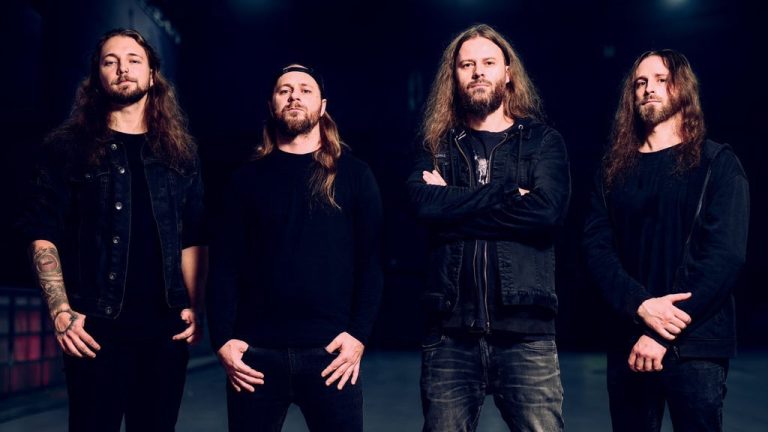
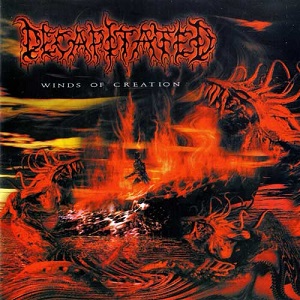
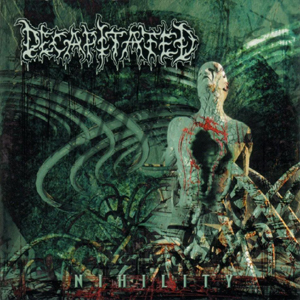
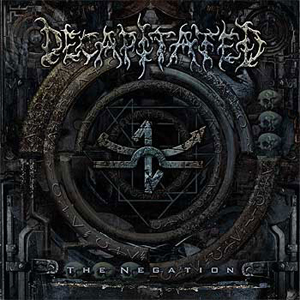
*Your role extends well beyond the guitar: you compose and shape the arrangements, including drum parts. What has always struck me about the early recordings is the technical maturity you achieved while you were still teenagers. How do you look back on that early musicianship?
*For me, looking at the first things we did..we were not that experienced in the beginning. We didn’t know a lot about how to arrange things.
I’m still learning how to arrange the songs. I mean, some bands have producers, some bands take people to help them arrange the songs, to write the songs. I never had any producer, and I’m trying to make myself a producer, as an arranger, with varying results.
I keep trying to do that, and I’m still learning even now, while I’m currently working on the new album. And actually, it’s done. I finished the last song two days ago, which is a big relief for me too, because I spent the last few months, actually years, preparing those songs. And I can say it’s done, which is great, and I’m really satisfied about it.
Right now, James and I are going into the rehearsal room. We have these sessions where we practice and get the material into the best shape before entering the studio.
It’s going to be killer. I’m pretty sure it’s going to be fantastic. We’re choosing the new studios and microphones and all this stuff, preparing the gear.
But to come back to your question: we had a pretty good technique; we’ve been pretty good players from the beginning. That’s because we went to music schools: me and my brother and the first singer, and also the first bass player. We all met in the music school, so we got some music education back then, which helped us in the early years to get pretty good skills on the instruments, and it pushed us. Maybe we were a little bit faster than our colleagues in the other bands, a bit faster with some technique and things like that.
Formal education and ambition are part of that explanation. So are the conditions in which those young musicians had to work, a subject Vogg remembers without romanticising it.
*The musical training was there, but access to equipment and support was another matter. It wasn’t an easy environment in which to start a band, was it?
*No, it wasn’t easy. We didn’t have nice venues; we didn’t have access to nice equipment, guitars, amplifiers. That was still an issue, because we grew up in hard times, talking about the economics of the country. Access to gear and things like that was not the best, not the fastest way. And also, we were kids; we didn’t have the budget. The country didn’t give us that many opportunities. There was no support from the country or the government.
Looking at this venue, for example, or talking with French musicians from other bands, I used to talk about things like that, maybe here, in France, it was a different environment for musicians, and different support. But if you have the passion, you’re going to find a way. You’re going to survive; you’re going to plug your cable into whatever there is for the radio and go. So if you really want to keep doing something, you will find a way.
It would have been great to have better support from the beginning, equipment and things like that, so we didn’t have to waste time. Kids these days can jump immediately to the best equipment. Well, some of the best, it’s still expensive sometimes, but the way to get into good equipment is way easier than before, for sure. And even the access to the internet and everything else.
*That persistence can give younger musicians a sense of what is possible. As someone who has followed Decapitated from the early days, seeing your belief in the band endure means a great deal.
You mentioned the new album; without getting ahead of a future conversation, what can you tell us more at this stage?
*I can tell you only this: the writing is done. There are new songs, and a full-length album is going to be recorded soon, and released probably next year. We’ll talk about it another time, if you agree.
*I’d be delighted to return to the new album with you when time comes.
At the time of our conversation, that is where the next album stands: the writing is complete, and the material is being prepared for the studio. The excitement is real, but the recording and release are still ahead; this is a glimpse of the work in progress, not a verdict on an unheard record.